- $USD
- English (United States)
- Hire an Expert
- Get Support



Launching a Shopify store is easier than ever, but choosing the right theme can have a much bigger impact than many merchants expect. A Shopify theme does not just shape the look of your storefront. It affects how customers browse your products, how fast your pages load, how your brand is perceived, and how smoothly visitors move toward checkout.
That is why choosing a theme should never be treated as a purely visual decision. A theme may look stunning in a demo, but if it slows down your store, makes navigation harder, or does not fit your product type, it can quickly become a problem.
In this guide, we will walk through how to choose a Shopify theme for your online store, what features to prioritize, and how to find a theme that supports both conversion and long-term growth.
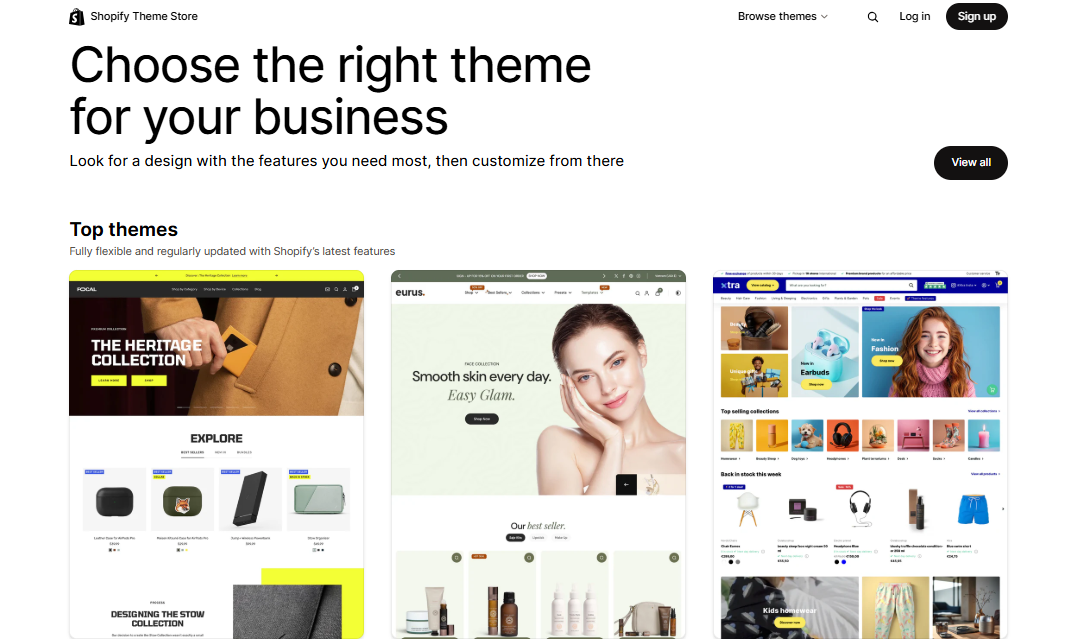
Why Your Shopify Theme Matters More Than You Think
A Shopify theme is the foundation of your storefront experience. It influences how customers interact with your store from the moment they land on your homepage to the point they decide whether to buy.
The right theme can help you:
- present products more clearly
- create a stronger brand impression
- improve mobile shopping experience
- reduce friction in the buying journey
The wrong theme can do the opposite. It may look attractive at first, but if it lacks flexibility, feels cluttered, or does not match your catalog structure, it can limit your store as you grow.
That is why successful merchants usually choose themes based on business fit, not just appearance.
Start with Your Store’s Real Needs
Before browsing demos or theme marketplaces, it is important to understand what your store actually needs. Not every Shopify theme is designed for the same type of business.
Consider Your Product Catalog Size
The size of your catalog should guide your theme decision from the start.
If you sell a single hero product, you will likely need a storytelling-focused layout with strong banners, benefit-driven sections, and a product page built to support conversion.
For a small or medium-sized catalog, you may want a theme that keeps browsing simple while still giving you room for promotions, featured collections, and flexible homepage content.
In case your store has a large inventory, navigation becomes even more important. In that case, look for features such as:
- collection filtering
- mega menus
- smart search
- easy product sorting
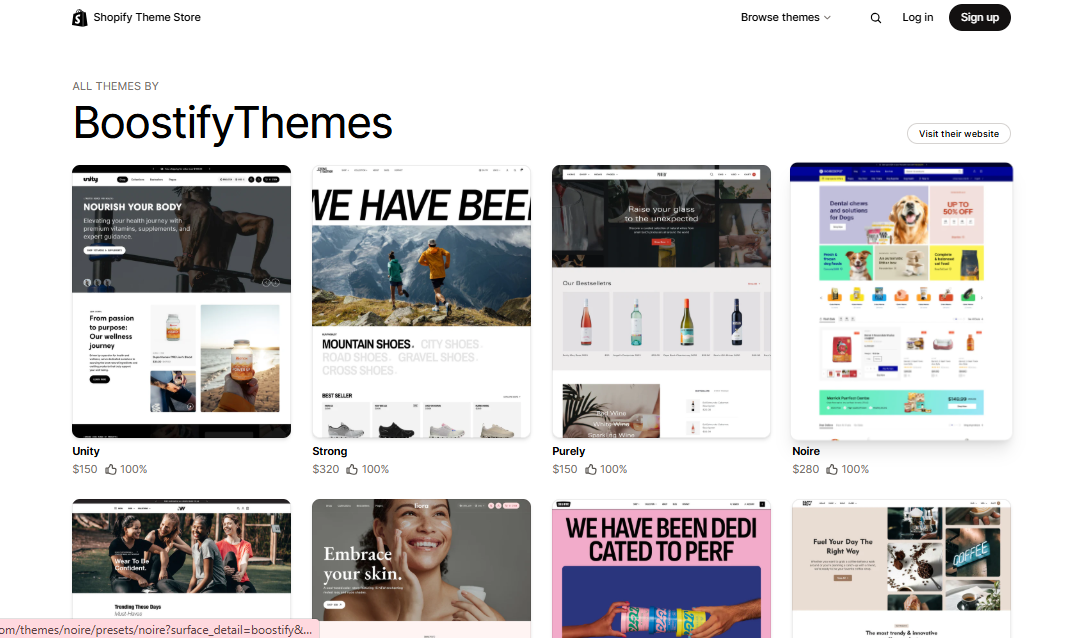
This is also where many merchants begin comparing more established Shopify theme developers rather than choosing based on appearance alone. Providers such as Out of the Sandbox, Archetype Themes, Maestrooo, Clean Canvas, and BoostifyThemes often offer themes designed for different catalog sizes and browsing needs, which can make it easier to find a better fit for your store structure.
Think About Your Industry
Industry fit is another major factor. The best Shopify theme for a beauty brand may not work well for electronics, fashion, furniture, or supplements.
Fashion stores often need editorial layouts, large visuals, and collection-first merchandising. Beauty brands typically benefit from storytelling sections, ingredient highlights, trust-building content, and customer reviews. Electronics stores may require technical specification blocks, comparison-friendly layouts, and feature-focused product pages.
Match the Theme to Your Business Stage
A new store, a growing brand, and an established ecommerce business usually have different priorities.
New stores often need a lightweight theme that is easy to launch and simple to edit. Growing brands usually need more promotional sections, more merchandising control, and more flexibility on the homepage. Established stores often want advanced customization, stronger branding control, and a theme that can scale without needing a redesign too soon.
Choosing a theme that matches your current stage while leaving room to grow can save both time and money later.
Key Features to Look for in a Shopify Theme
Once you know what your store needs, the next step is to evaluate the features that actually matter. A strong Shopify theme should support not only design but also performance and conversion.
Mobile-Friendly Design
Most online shoppers now browse and buy on mobile devices, so mobile performance should be a top priority.
Your theme should look clean and feel intuitive on smaller screens. Product images should display properly, text should stay readable, and navigation should remain simple and accessible.
When testing any theme, always check the demo on mobile instead of relying only on desktop views. A theme that feels polished on a large screen can still perform poorly on a phone.
Fast Loading Speed
Speed matters because it affects both user experience and store performance. Slow-loading stores often see higher bounce rates and lower conversions.
When reviewing a theme, pay attention to whether it seems lightweight, smooth, and efficient. Themes overloaded with unnecessary animations or built-in extras may create a more frustrating shopping experience.
Customization Flexibility
A theme should give you enough control to shape your storefront without requiring constant developer help.
Useful customization options often include:
- drag-and-drop sections
- multiple homepage layouts
- typography and color controls
- flexible product page sections
These features make it easier to evolve your store as your business grows. They also help you create a more branded experience without rebuilding your site from scratch.
Built-In Ecommerce Features
A strong premium theme can reduce your dependence on extra apps by including key ecommerce features out of the box.
Common built-in features include quick view, promotional banners, collection filtering, countdown sections, product videos, related products, and upsell blocks. These features can improve both the customer experience and your store’s operational simplicity.
That said, the goal is not to get the theme with the longest feature list. It is to choose a theme with features that genuinely support how you sell.
SEO-Friendly Structure
A Shopify theme will not do all of your SEO work for you, but it can support your foundation.
Themes with clean code, logical heading structure, fast loading speed, and a user-friendly layout can contribute to better crawlability and a better on-site experience. That combination matters for both search visibility and customer trust.
Free vs Paid Shopify Themes
For many store owners, the decision eventually comes down to whether free or premium Shopify themes are the better fit for their budget, branding, and growth goals.
Free Shopify Themes
Free themes are a practical starting point, especially for new merchants who want a stable and simple setup. They are easy to access, supported by Shopify, and suitable for basic stores.
However, they often come with limitations. Customization is usually more restricted, design variety can be limited, and built-in features may not be enough for stores that want a more branded or conversion-focused experience.
Paid Shopify Themes
Premium themes typically give merchants more control over layout, branding, merchandising, and customer experience. They can also help reduce app costs by including useful features built in.
For brands that want a more polished storefront and more room to grow, a premium theme is often the better long-term choice. Compared with free themes, paid options usually offer more flexibility, stronger design systems, and a wider range of ecommerce-focused features.
When comparing paid themes, it helps to look at specific options based on store type — for example, Unity for beauty, skincare, and wellness brands, Impulse for promotion-driven fashion or lifestyle stores, Prestige for premium and design-led brands, and Warehouse for large-catalog stores that need stronger navigation and filtering.
How Theme Design Affects Conversion
A Shopify theme should not only make your store look professional. It should also make shopping easier and more persuasive.
Homepage Layout
Your homepage should quickly communicate what you sell and guide visitors toward the next step. A strong homepage usually includes a clear banner, featured collections, best sellers, promotional content, and trust-building elements.
The goal is not to fill the page with as many sections as possible. The goal is to create clarity and momentum.
Product Page Experience
Product pages are where interest turns into buying decisions. A good theme should help your products look more trustworthy, informative, and easy to purchase.
Look for product pages that support clear imagery, visible pricing, variant selection, reviews, and strong add-to-cart placement. Extra flexibility for videos, benefits, FAQs, or feature highlights can also make a big difference.
This is another area where choosing the right theme provider matters. Some themes are visually attractive on the homepage but weak on product-page depth. Others are designed with ecommerce performance more clearly in mind, which is often what merchants are really paying for.
Navigation and Search
Good navigation is one of the most overlooked parts of theme selection. Customers should be able to understand your store structure quickly and reach products without confusion.
For stores with many products, search and filtering are especially important. A theme that supports smooth browsing can improve both user experience and sales opportunities.
Common Mistakes to Avoid When Choosing a Shopify Theme
Even experienced merchants sometimes choose the wrong theme for the wrong reasons.
Choosing a Theme Only Because It Looks Beautiful
A theme should support your products and customer journey, not just impress at first glance. Appearance matters, but usability matters more.
Prioritizing Features You Will Never Use
A long feature list can look attractive during the buying process, but too many extras can make a store feel bloated. Choose practical features that fit your business model.
Ignoring Mobile Experience
A theme should never be evaluated only on desktop. Mobile performance is too important to overlook.
Overlooking Support and Updates
A theme is not just a one-time design purchase. It is part of your store’s long-term infrastructure. That is why documentation, updates, and support quality should always be part of the evaluation process.
For a Final Word,
Choosing a Shopify theme is one of the most important decisions you will make when building an online store. The right theme should not only look good, but also support your products, improve the shopping experience, and give your business room to grow.
Instead of choosing purely based on style, focus on fit. Think about your catalog, your niche, your customer journey, and the level of flexibility you need. Before making your final decision, it helps to run through a simple checklist and ask whether the theme:
- fits your industry and catalog size
- performs well on mobile
- loads quickly
- gives you enough customization
- supports product discovery and conversion
- comes from a provider with reliable support
If the answer is yes across most of these points, you are probably looking at a strong fit. Taking the time to evaluate your options carefully will help you build a storefront that feels more polished, works more smoothly, and supports long-term growth. With the right theme in place, your Shopify store will not only look stronger, but also perform better where it matters most.
Share Article
-
 30-day money back guarantee
-
 Dedicated Support Team
-
 Safe & Secure Free Update
-
 Safe Customized Solutions